Ultimate Uganda Camping Packing List 2026
Camping in Uganda national parks like Queen Elizabeth, Murchison Falls, Bwindi, or Rwenzori areas involves tropical heat/humidity, sudden heavy rains, cooler nights at altitude, insects including malaria-carrying mosquitoes, dusty/savanna conditions, and muddy forest treks.
When parking for a Uganda camping safari, Focus on lightweight, quick-drying, breathable layers in neutral colors such as khaki, green, beige, and brown to blend in, protect from sun/insects, and avoid bright colors or camouflage.
Pack for layers, rain protection, and modularity. Many organized camps provide some gear, but assume self-sufficient camping.
The Uganda Camping Packing List Includes;
Shelter & Sleep System
- Tent: Lightweight, quick-setup, 3-4 season with strong rainfly and good ventilation (tropical storms common).
- Groundsheet/footprint: For tent protection.
- Sleeping bag or liner: Silk/cotton liner preferred (nights can cool but rarely freezing; full bag often too warm).
- Sleeping pad or inflatable mattress: For comfort on uneven ground.
- Pillow: Inflatable or compact.
- Headlamp or flashlight (with extra batteries): Essential for nights and early game drives.
- Multi-tool or Swiss Army knife (check airline rules).
Clothing (Pack light & quick-dry; 7-10 days’ worth, plan to wash)
- Tops: 4-6 short-sleeve moisture-wicking or merino tees; 2-3 long-sleeve lightweight shirts (sun/insect protection).
- Bottoms: 2-3 quick-dry trousers or convertible zip-offs; 1-2 shorts (for camp); optional lightweight waterproof pants.
- Rain jacket: Waterproof/breathable with hood (essential for gorilla trekking/rainforests).
- Fleece or light jacket: For cooler evenings/mornings, especially higher altitudes.
- Underwear & socks: 5-7 pairs quick-dry underwear; 3-4 pairs socks (including wool or hiking socks); long socks for trekking.
- Sleepwear: Lightweight.
- Swimwear: If near lakes/rivers.
- Hat: Wide-brim for sun + warm beanie for cold nights.
- Bandana or neck gaiter: Dust, sun, sweat.
- Gloves: Gardening/work gloves for gorilla trekking/vegetation.
Footwear:
- Sturdy waterproof hiking boots (ankle support, good grip for mud/treks).
- Camp sandals or flip-flops.
- Gaiters (highly recommended for mud, ants, nettles in forests).
Food & Cooking (if self-catering)
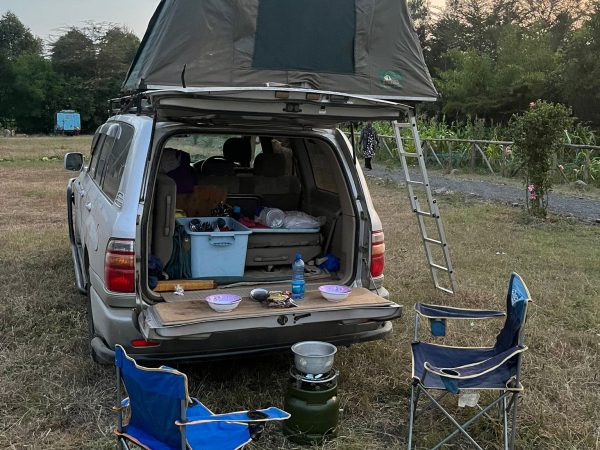
- Portable stove + fuel (check local availability/restrictions).
- Cookware set, utensils, plates/cups (collapsible).
- Reusable water bottle + water purification (filter, tablets, or UV purifier — don’t drink tap water).
- Cooler or insulated bag.
- High-energy snacks (nuts, bars, dried fruit) for treks/game drives.
- Coffee/tea, instant meals if basic.
Navigation & Safety
- Passport, visas, permits (gorilla permits, park fees), copies + digital backups.
- Travel insurance (medical/evacuation coverage crucial).
- Maps, compass, or GPS app (offline).
- Binoculars (essential for wildlife).
- Daypack or small backpack for day treks (water, rain gear, snacks).
- Head net or bug tent for insects.
- Whistle, emergency blanket, basic repair kit (duct tape, paracord).
Health & Hygiene
- Malaria prophylaxis (consult doctor), insect repellent (DEET-based).
- Sunscreen (high SPF), lip balm, sunglasses.
- First aid kit: Bandages, antiseptic, blister treatment, painkillers, anti-diarrhea, antihistamine, tweezers, personal meds.
- Hand sanitizer, wet wipes, toilet paper (often unavailable in bush).
- Quick-dry towel.
- Toothbrush, toothpaste, biodegradable soap/shampoo.
- Feminine hygiene products.
- Moisturizer (dry air/dust).
Electronics & Misc
- Power bank + solar charger option.
- Travel adapter (Uganda uses UK-style 3-pin plugs).
- Camera + extra batteries/memory cards (protected from dust/rain).
- Phone + waterproof case.
- Dry bags or ziplocks for electronics/clothes.
- Padlock for luggage/tent.
- Cash (USD preferred in remote areas) + cards.
- Trash bags (leave no trace).
Gorilla Trekking / Forest-Specific Extras
- Long sleeves/trousers, rain gear, sturdy boots, gloves, gaiters, walking stick/trekking poles (can often rent).
- Lightweight daypack.
Optional/ Nice-to-Haves
- Earplugs & eye mask (animals, campsites noisy).
- Portable solar shower or camp shower bag.
- Hammock (if suitable sites).
- Book, journal, cards for downtime.
- Binoculars harness.
- Small binoculars or spotting scope.
Packing Tips:
- Use packing cubes or compression sacks; keep clothes in dry bags.
- Weight limit: Domestic flights and transfers often have strict 15-20kg limits — pack light.
- Laundry: Quick-dry fabrics allow washing/reuse.
- Seasons: Rainy seasons (Mar-May, Oct-Nov) need stronger rain gear. Dry seasons still have showers.
- Sustainability: Reusable items, leave no trace.
- Check current park rules, malaria advice, and visa requirements before travel.
This list balances self-sufficient camping with Uganda-specific needs like rain, insects, and wildlife activities. Adjust based on trip length, group size, and whether you’re fully independent or with a guided operator. Safe travels and enjoy Uganda’s incredible parks!